The method of harvesting crops—whether manual or mechanized—can significantly affect soil health and, consequently, the long-term productivity of agricultural land. Harvesting practices are an often overlooked but crucial component of sustainable farming, as they can either support or degrade the natural systems that contribute to soil fertility, structure, and overall health. The interplay between harvesting techniques and soil health is complex, involving factors such as soil compaction, erosion, and organic matter retention, all of which can influence future yields.
In this article, we will explore how different harvesting methods—manual and mechanized—affect soil health, the long-term viability of farmland, and future crop yields.
1. Understanding Soil Health and Yield
Soil health refers to the condition of the soil in terms of its ability to support plant growth, maintain ecological balance, and perform essential ecosystem functions. Healthy soils are rich in organic matter, have a good structure, and maintain proper nutrient and moisture levels. Soil health is critical for future yields because healthy soils provide a stable environment for plant roots, ensure proper nutrient uptake, and increase resilience against pests, diseases, and extreme weather events.
Key factors that determine soil health include:
- Soil Structure: The arrangement of soil particles affects water infiltration, root penetration, and air circulation.
- Organic Matter: Decomposed plant material that feeds soil organisms and helps retain moisture and nutrients.
- Soil Microbial Life: The presence of beneficial microorganisms that help decompose organic material, fix nitrogen, and improve soil structure.
- Soil Compaction: The density of the soil, which, when excessive, restricts root growth and water movement.
2. Manual Harvesting and Its Impact on Soil Health
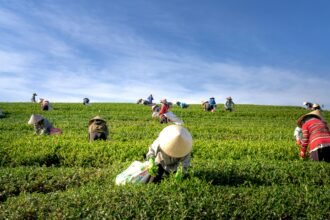
Manual harvesting involves human labor to collect crops, usually with hand tools such as sickles, knives, or baskets. This method is labor-intensive but often gentler on the land, especially in small-scale or traditional farming settings.
A. Minimal Soil Disturbance
One of the main advantages of manual harvesting is that it typically causes little to no disruption to the soil. Since the harvesting is done by hand or with small tools, there is less risk of soil compaction or erosion, which are key factors in long-term soil degradation.
- Reduced Soil Compaction: Manual harvesting doesn’t require heavy machinery, which means there is less pressure on the soil. This is particularly beneficial for soil structure, as excessive compaction can make it difficult for plant roots to penetrate the soil, limit water infiltration, and reduce air circulation.
- Preservation of Organic Matter: Since manual harvesting is more controlled, farmers often leave organic matter such as crop residues or stubble behind. This organic material provides valuable nutrients and food for soil microbes, fostering soil health and improving its structure over time.
B. Reduced Erosion
Manual harvesting generally involves fewer passes over the field compared to mechanized methods, which reduces the risk of soil erosion, especially in areas with loose or easily erodible soil. Erosion is a major concern for long-term soil health, as it removes the fertile topsoil necessary for successful crop production.
C. Impact on Crop Residue Management
While manual harvesting can help maintain organic matter levels by leaving residues in the field, there can also be challenges. For instance, in some crop systems, manual harvesting might result in a buildup of residue that is difficult to manage and could hinder the subsequent planting season. However, many traditional farmers practice residue management by returning organic matter to the soil or incorporating it into compost, which ultimately supports soil fertility.
3. Mechanized Harvesting and Its Impact on Soil Health
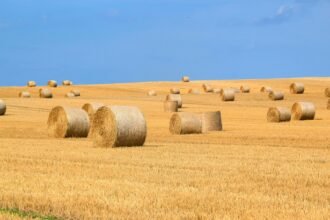
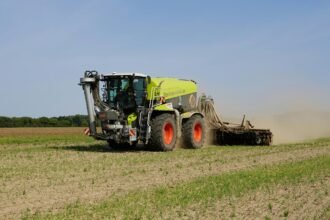
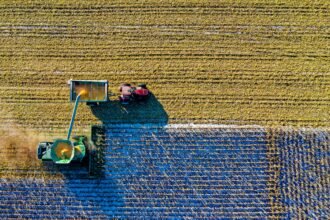
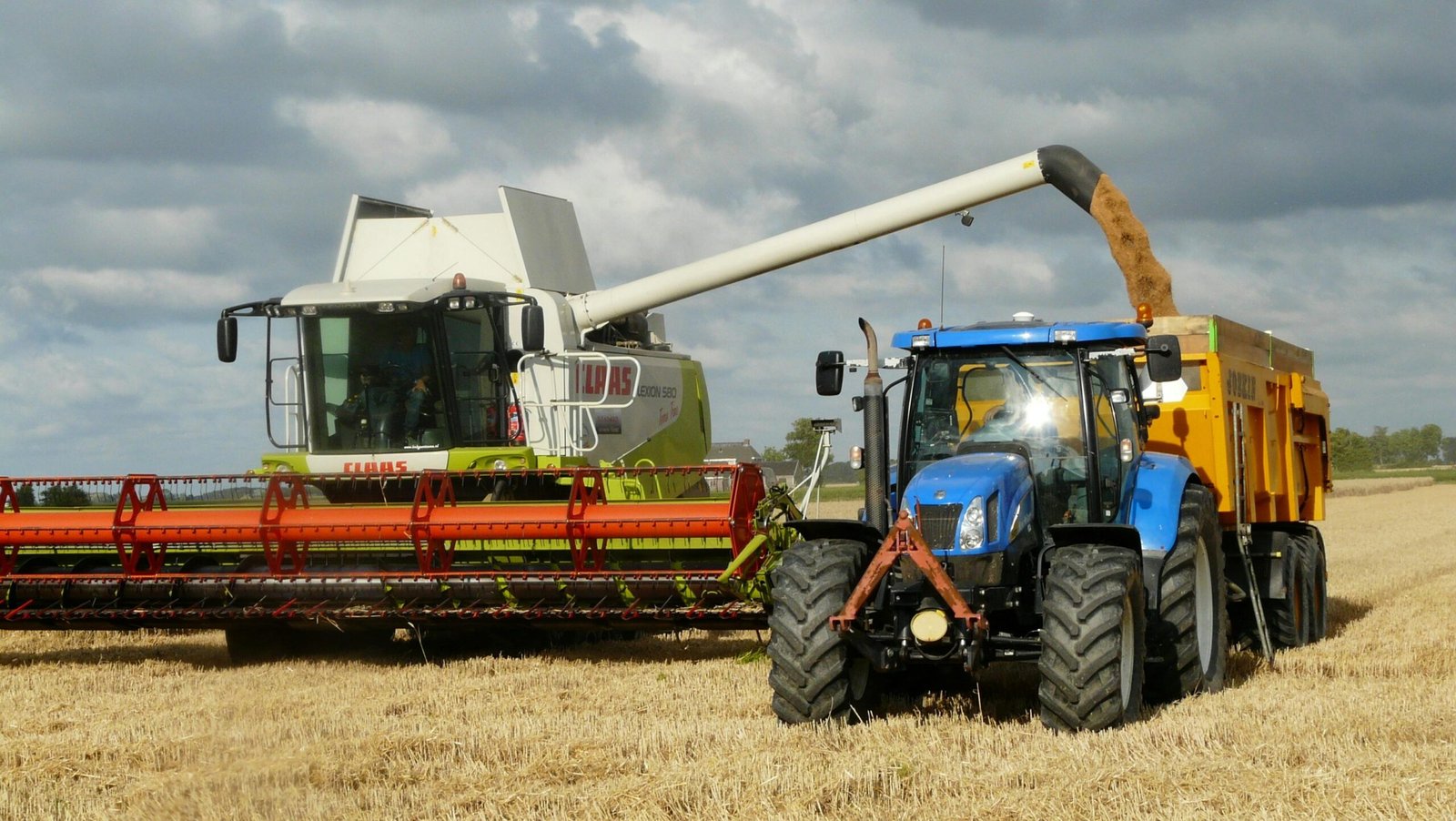
Mechanized harvesting involves the use of machinery such as combine harvesters, tractors, and specialized harvesters to collect crops on a large scale. This method is more efficient, especially for large-scale farming operations, but it can have both positive and negative impacts on soil health, depending on how it is implemented.
A. Soil Compaction
One of the primary environmental concerns with mechanized harvesting is soil compaction. The heavy machinery required for mechanized harvesting puts pressure on the soil, which can cause it to become compacted. Soil compaction occurs when soil particles are pressed together, reducing pore space, and making it harder for water and air to reach the plant roots. This reduces root penetration, increases runoff, and hampers water retention, leading to decreased soil fertility and reduced crop yields over time.
- Negative Effects on Root Growth: Compacted soil inhibits root growth and limits access to water and nutrients, potentially lowering future yields. Plants in compacted soil may also experience drought stress more quickly, as the soil’s ability to retain moisture diminishes.
- Reduced Soil Permeability: Soil compaction also prevents water from infiltrating the soil, leading to increased surface runoff and erosion. This not only wastes water but can also degrade the soil structure further, reducing its capacity to hold moisture.
B. Erosion and Runoff
Mechanized harvesting can increase the risk of soil erosion, especially if heavy machinery is used in wet conditions or on sloped terrain. The large machinery can disturb the soil surface, creating channels that allow water to erode the soil more easily. Additionally, the disturbance of the soil surface can increase the loss of organic matter, which is essential for soil health.
- Bare Soil Exposure: Mechanized harvesting often leaves large areas of soil exposed, which can be susceptible to wind and water erosion. This leads to the loss of topsoil and essential nutrients, further degrading soil quality.
- Increased Runoff: When machinery disturbs the soil, it often creates compacted areas that encourage surface runoff rather than water infiltration. This can contribute to nutrient loss and the washing away of valuable organic material.
C. Impact on Soil Structure
The repeated use of heavy machinery in the same fields can cause long-term damage to soil structure. Mechanized harvesting can lead to the breakdown of soil aggregates, which are essential for good soil structure. When aggregates are destroyed, the soil becomes more prone to erosion and has reduced water-holding capacity, which can negatively affect future yields.
- Loss of Soil Aggregates: Healthy soils consist of aggregates—groups of soil particles bound together by organic matter and minerals. These aggregates are vital for ensuring proper soil structure, allowing air and water to reach the roots of plants. When aggregates are destroyed by heavy machinery, soil becomes more prone to erosion and compaction.
D. Efficient Crop Residue Management
On the positive side, mechanized harvesting can facilitate the management of crop residues. Many modern combine harvesters, for example, are equipped with systems that chop and distribute crop residues evenly across the field. This practice can help maintain organic matter levels in the soil, improving soil fertility and health in the long run. Additionally, crop residues help protect the soil from erosion and moisture loss.
4. Sustainable Mechanized Harvesting Practices
While mechanized harvesting can cause soil degradation, there are ways to mitigate these impacts through sustainable practices:
- Controlled Traffic Farming (CTF): This practice involves reducing the number of passes that machinery makes over the soil by following designated traffic lanes. By concentrating machinery traffic in specific areas, the rest of the field is left undisturbed, reducing soil compaction.
- No-Till or Minimum-Till Farming: Integrating mechanized harvesting with no-till or minimum-till farming practices can reduce soil disturbance. These methods minimize the need for tilling the soil, which can help maintain soil structure, prevent erosion, and conserve organic matter.
- Cover Cropping: Planting cover crops during the off-season can help protect the soil from erosion, improve organic matter content, and promote soil biodiversity. Cover crops can be planted even when the field is harvested using mechanized systems, offering a sustainable way to protect soil health.
- Use of Lighter, More Efficient Machinery: Advances in machinery design have led to the development of lighter, more energy-efficient equipment. These innovations reduce the weight on the soil, minimizing compaction while maintaining harvesting efficiency.
5. Comparing Long-Term Impacts on Future Yields
A. Manual Harvesting
Manual harvesting, while labor-intensive, is generally gentler on the soil. It does not contribute to compaction or erosion and often allows for better residue management, which can help maintain long-term soil health. However, it is not always scalable, and labor costs can be prohibitive, especially on large farms.
B. Mechanized Harvesting
Mechanized harvesting can improve short-term yields by allowing for faster and more efficient harvesting. However, the long-term impact on soil health can be negative if sustainable practices are not implemented. Soil compaction, erosion, and reduced organic matter can lead to declining soil fertility, which in turn affects future crop yields. Sustainable practices, such as controlled traffic farming, cover cropping, and reduced tillage, can help mitigate these negative effects and improve long-term soil health.
Conclusion
The harvesting technique used can have significant long-term effects on soil health and future yields. While manual harvesting is gentler on the soil and reduces the risks of compaction and erosion, it may not be scalable for large operations. Mechanized harvesting, on the other hand, offers efficiency and higher short-term yields but can contribute to soil degradation if not managed sustainably. By adopting sustainable practices such as reduced tillage, controlled traffic farming, and better residue management, mechanized harvesting can be aligned with long-term soil health and productivity. Ultimately, the relationship between harvesting techniques and soil health underscores the need for farming practices that balance immediate crop needs with the preservation of soil resources for future generations.