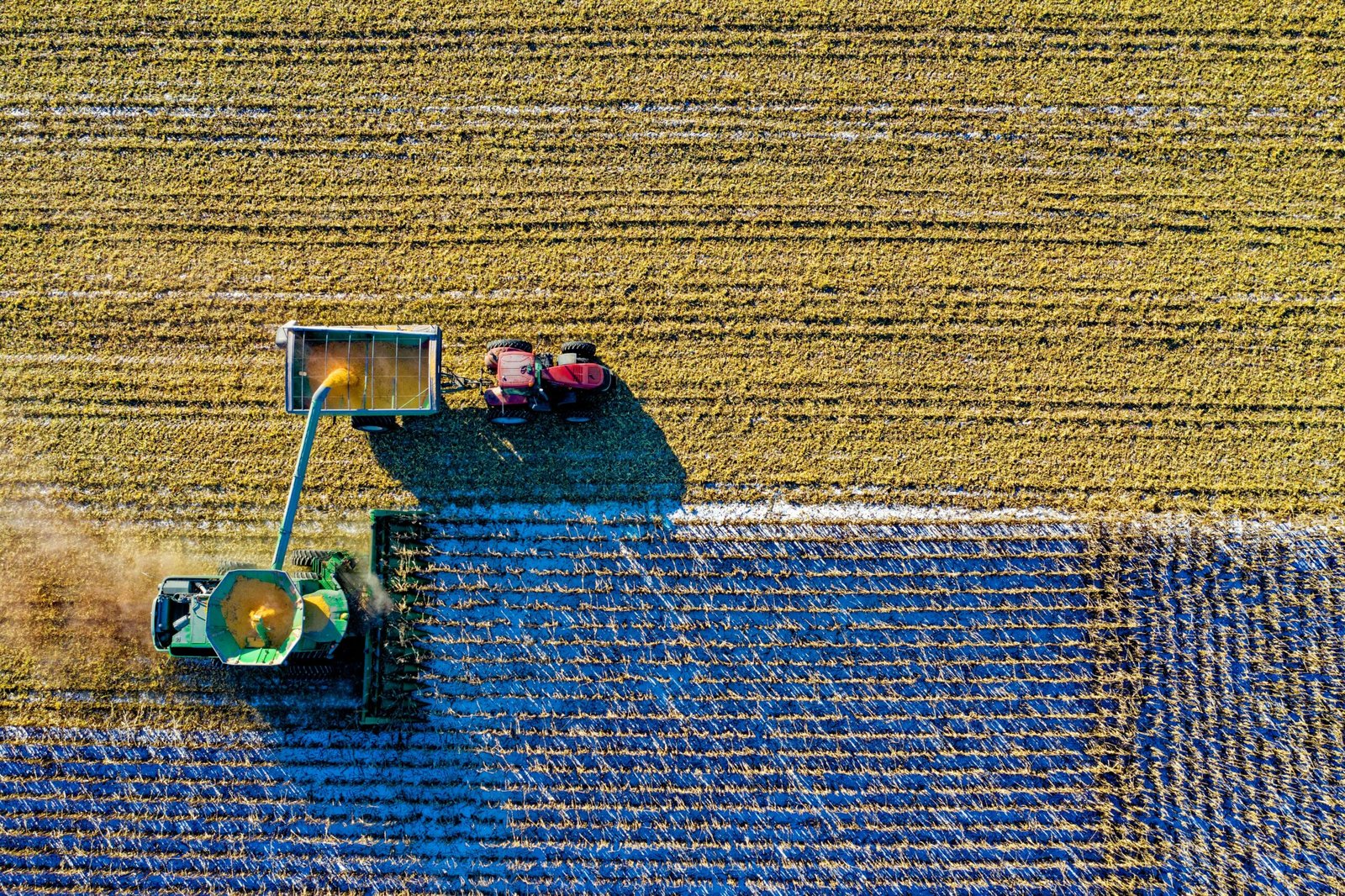
The timing of harvest plays a pivotal role in determining the overall quality, yield, and nutritional content of crops. It affects various aspects, such as the appearance, taste, shelf life, and marketability of fruits and vegetables. Understanding the development stages of crops, the impact of harvest timing on yield and nutritional quality, and environmental influences can guide farmers to optimize harvest timing for better outcomes.
1. The Science of Crop Development
Crops go through several stages of growth: germination, vegetative growth, flowering, fruiting, and ripening. Each stage involves changes in the plant that influence the optimal harvest time. Harvesting too early or late can lead to underdeveloped or overripe produce, affecting both quality and marketability.
2. Impact on Yield
- Early Harvesting: While it may prevent disease or pest damage, early harvesting often results in smaller, underdeveloped crops with lower yields. For example, early-harvested grains like wheat or corn will have smaller grain sizes and fewer seeds.
- Late Harvesting: On the other hand, waiting too long can lead to crop damage from pests, disease, or weather. For example, overripe tomatoes lose moisture and become more susceptible to infections, diminishing both quality and yield.
3. Nutritional Quality and Harvest Timing
Nutritional content fluctuates throughout a crop’s growth cycle:
- Vitamins and Minerals: Crops accumulate nutrients like vitamin C and folate as they mature. Early harvesting can result in lower levels of these nutrients, as seen with broccoli or tomatoes.
- Sugar and Flavor: Sugar content, crucial for taste, increases as fruits mature. Early harvesting can result in less sweetness, affecting flavor. But waiting too long can lead to overly sweet produce, losing balance and appeal.
4. Shelf Life and Storage
Harvesting at the correct time enhances storage potential. Crops harvested too early may not store well, while those left too long may lose moisture or degrade. For instance:
- Leafy Greens: Vegetables like spinach and lettuce should be harvested at peak freshness since they deteriorate quickly post-harvest.
- Root Vegetables: Crops like carrots and potatoes can benefit from a later harvest as they store well and may improve in flavor after harvesting.
Post-harvest handling also affects shelf life, with factors like temperature and ethylene gas influencing ripening and spoilage.
5. Environmental Factors Affecting Harvest Timing
- Weather Conditions: Unpredictable weather patterns, such as early frosts or droughts, can force farmers to harvest earlier or delay the harvest, impacting yield and quality.
- Climate Variability: Changes in temperature and rainfall patterns can affect when crops are ready to harvest, and the effects of climate change may make predicting optimal harvest windows more challenging.
6. Crop-Specific Considerations
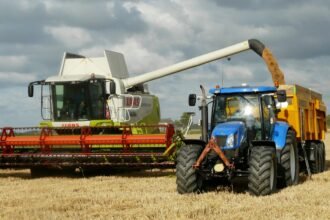
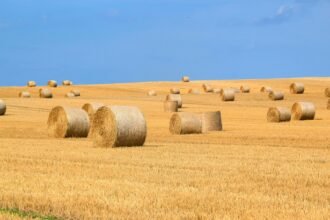
- Grains: Crops like corn, wheat, and rice require harvest timing to ensure the right moisture content for storage and processing. Early harvesting results in immature grains, while late harvesting risks weather damage.
- Fruits: For fruits like tomatoes, apples, and berries, timing affects flavor and texture. Apples harvested too early may not store well, while overripe apples can spoil quickly.
- Vegetables: Root vegetables like carrots and potatoes benefit from a longer growing season, while leafy greens require precise timing to avoid bitterness.
7. Conclusion
The timing of harvest is essential for maximizing crop quality, yield, and nutritional content. By understanding the relationship between crop development, environmental factors, and market demands, farmers can make informed decisions about when to harvest. The ideal harvest time may vary by crop, but a well-timed harvest ensures that produce remains fresh, flavorful, and market-ready.