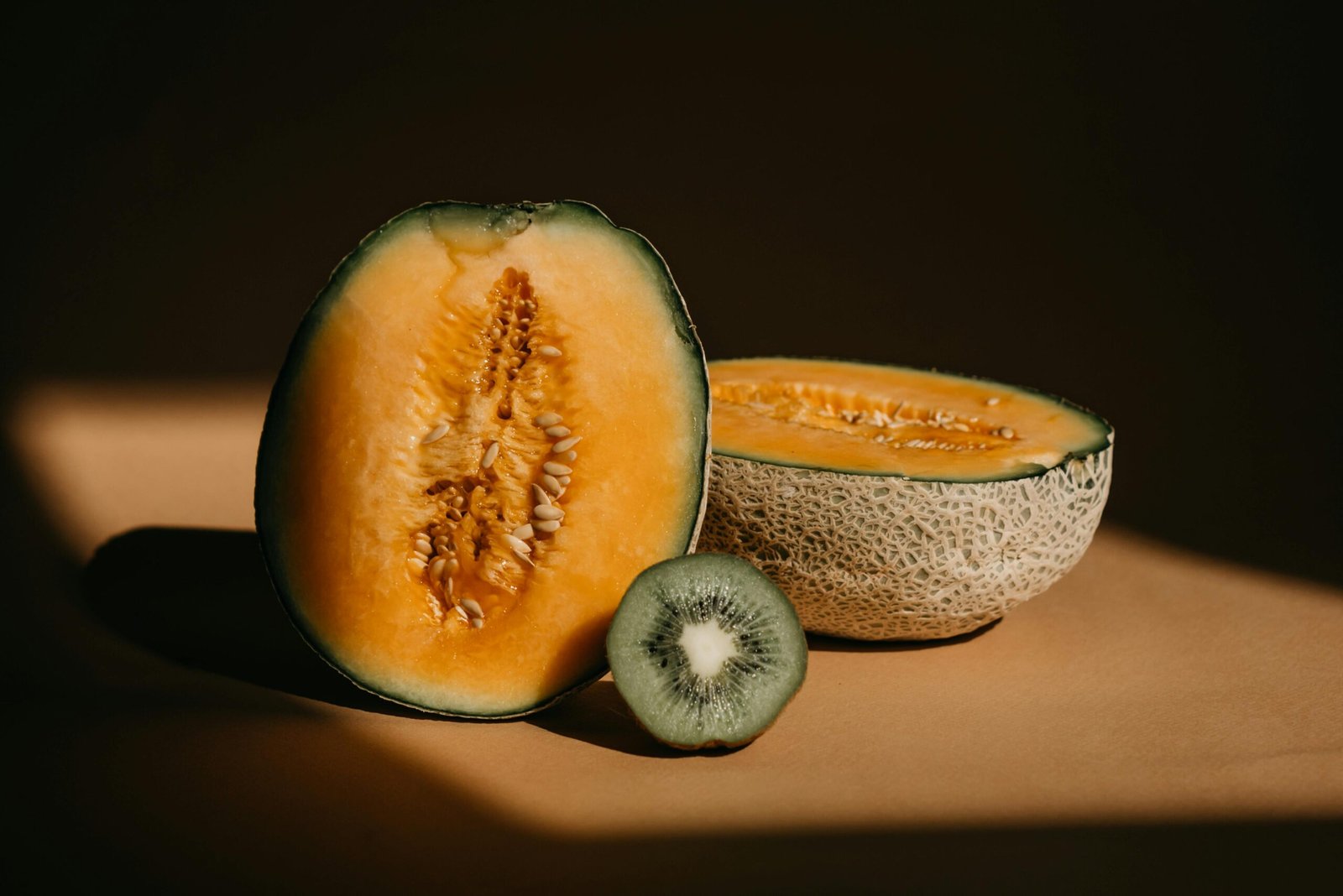
The melon (Cucumis melo L.) is an annual, monoecious plant (with both male and female flowers on the same plant) belonging to the Cucurbitaceae family. Originally from South Asia, it is widely cultivated across Morocco, where it enjoys immense popularity. The fruit is valued for its rich content of vitamins A and C, making it a key element in both local diets and export markets. This article explores the important aspects of melon cultivation in Morocco, from soil preparation to harvesting and storage.
Varieties, Sowing, Planting, and Soil Preparation
In Morocco, three main types of melon are cultivated:
- Souihla or Galia type: Varieties include Arrava, Galia, Alma, and Gal-lavi 52.
- Yellow Canary type: Varieties such as Niagara and JC local.
- Charentais type, with two subgroups:
- Bred melons (e.g., Dalton, Marcus, Borador).
- Smooth melons (e.g., Major, Linastar).
The sowing of melons occurs in nurseries, with seeds typically planted in November-December for early crops and in February-March for main-season crops. Melon cultivation during the off-season often yields unsatisfactory results, likely due to the plant’s requirements for long days (photoperiod). Nursery management for melon seedlings is similar to tomato cultivation under shelter.
Soil preparation includes deep plowing, two cross cover crops, two passes with a rotary harrow, and the incorporation of bovine manure and mineral fertilizers. Billons are prepared using a rotavator, followed by the installation of localized irrigation systems. Plastic mulching (polyethylene film of 25 microns in thickness and 1.4 meters wide) is mechanically applied using a mulch layer. Arches are installed for tunnel cultivation.
In the nursery, three phytosanitary treatments are applied against soil-borne fungi, with a systemic fungicide based on propamocarb hydrochloride (Previcur-N), at a rate of 3 liters per hectare. Planting typically occurs 25 to 30 days after sowing when seedlings reach the 2-3 leaf stage. The recommended planting distance is 0.5 meters between plants in the row and 2 meters between rows, resulting in 10,000 plants per hectare, though some growers may opt for 7,000 plants per hectare depending on the variety’s vigor.
Irrigation
Irrigation starts immediately after planting and is generally done using a drip irrigation system, with emitters spaced 50 centimeters apart. Irrigation is controlled based on climatic conditions (using a Class A pan), with water requirements ranging from 300 to 400 mm, depending on the region. Sprinklers and pivot systems are not suitable for melon cultivation due to the risk of fungal diseases and fruit cracking. Fertigation (the application of fertilizers through irrigation) is a common practice, especially in the Souss-Massa region, and is gaining popularity in other melon-producing areas.
Fertilization
Base fertilization is incorporated into the soil during the preparation phase. Manure is applied at a rate of 30-50 tons per hectare, while mineral fertilizers are applied at the rate of 20 units of nitrogen (N), 100 units of phosphate (P₂O₅), and 50 units of potash (K₂O). Cover fertilization begins shortly after the plants take root and is applied alongside irrigation water according to the plant’s growth stages. For melons grown in small tunnels in the Marrakech region, the cover fertilization schedule includes the following fertilizers: Ammonitrate (400 kg), MAP (100 kg), Potassium sulfate (200 kg), Potassium nitrate (300 kg), Calcium nitrate (100 kg), and trace elements (such as Complésal red and green).
Phytosanitary Treatments
Melon crops face numerous pests and diseases. To prevent seedling splitting, a systemic fungicide based on Hymexasol is applied to the irrigation water at a rate of 200 cc per hectoliter. Several treatments are applied to control the most serious diseases and pests, including:
- Powdery mildew: Treated with Triforine or Myclobutanil + Penconazole.
- Downy mildew: Treated with Mancozeb, Benomyl, or Oxadixyl + Mancozeb.
- Aphids and mites: Controlled using Taufluvalinate.
- Nematodes, broomrape, and thrips: Treated as necessary.
Rodents such as rats and mice often attack nurseries, as the seeds attract them.
Harvesting and Storage
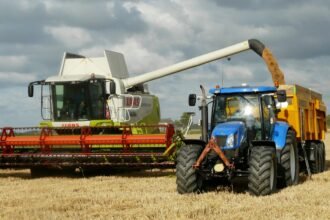
Harvesting is done manually. The optimal harvest stage can be difficult to determine; it is generally recommended to cut and taste the fruit starting from the 120th day after sowing to ensure the fruit is ready for harvest. For those with experience, key signs of ripeness include the appearance of a yellowish, dry zone around the peduncle, a characteristic smell of ripening fruit, and color changes in some varieties (such as the Galia type, which turns yellow).
Harvesting is usually completed within 15 to 20 days, so preparation for packaging and export should begin well in advance. Packaging materials such as cartons, trays, tissues, pallets, and labels should be ready. Export-caliber melons are typically sorted into sizes like caliber 9 (9 fruits per 6 kg carton), caliber 8 (8 fruits per 6 kg carton), and caliber 4 (4 fruits per 6 kg carton). For local or national sales, melons can be sold at wholesale markets or directly from the farm, with buyers providing their own crates.
Melons are highly perishable and must be handled with care, especially smooth Charentais melons. They are typically stored at temperatures between 6-8°C, as storage at lower temperatures can cause the flesh to become glassy, while higher temperatures lead to over-ripening and translucency. The quality of melons is typically the result of balanced fertilization (especially potassium, which gives the fruit its sweet taste), and the absence of diseases and pest attacks.
Yield
Average yields vary by melon type:
- Charentais: 25-30 tons per hectare.
- Galia: 30-40 tons per hectare.
- Yellow Canary: 20-25 tons per hectare.
- The newly introduced Gal-lavi 52 variety (from Hi-Tech) yields 60 tons per hectare and is resistant to fusarium wilt.
Conclusion
Melon cultivation is a significant agricultural activity in Morocco, with its widespread cultivation across various regions of the country. With the right practices in terms of sowing, irrigation, fertilization, and pest control, melon farming can be highly profitable. Continued development in irrigation techniques, fertigation, and pest management will further strengthen the country’s melon production, positioning Morocco as a key player in the global melon market.