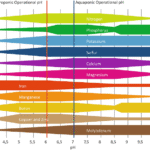

Plants require a variety of essential nutrients to grow and thrive, with the most important being nitrogen, phosphorus, and potassium. These elements, known as macronutrients, are needed in large quantities and are the ones most likely to be deficient in soil.
1. Nitrogen (N)
Nitrogen is crucial for plant growth, particularly for the development of foliage and aerial parts of plants. It is often referred to as the “growth fertilizer” because it promotes the lush, green development of plants. When plants lack nitrogen, they exhibit slow growth, and their foliage turns light green or yellowish.
- Sources of Nitrogen: Nitrogen is often supplied by simple fertilizers, such as urea, ammonium sulfate, ammonium nitrate, or calcium nitrate. These nitrogen-based fertilizers are particularly useful for leafy plants (those that do not flower) or for plants during their vegetative growth stages, such as flowering plants, vegetables, and fruit-bearing species.
2. Phosphorus (P)
Phosphorus is essential for root development, flowering, and fruiting. A phosphorus deficiency leads to dark green, reddish foliage, and poor or delayed flowering and fruit maturation. It is crucial in energy transfer and in the development of strong root systems.
- Sources of Phosphorus: Phosphorus is primarily supplied through superphosphate fertilizers (either simple or triple). It is typically the key component in fertilizers designed to promote the recovery of plants or young cuttings with weak root systems. Phosphorus is often found in balanced fertilizers (e.g., 20-20-20), where it is combined with nitrogen and potassium for a well-rounded nutrient mix.
3. Potassium (K)
Potassium plays an important role in the circulation of sap within the plant and the assimilation of nutrients. It enhances the plant’s resistance to cold, pests, diseases, improves the color and flavor of fruits, and increases the storage capacity of root vegetables.
- Sources of Potassium: Potassium is particularly significant in fertilizers for flowering plants or specialized products for roses, geraniums, citrus trees, or fruit trees. Potassium-based fertilizers are often used in conjunction with nitrogen fertilizers during flowering stages or when promoting fruiting and vegetable production.
4. Other Essential Nutrients and Micronutrients
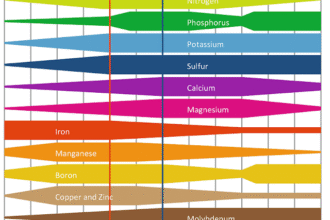
Beyond the primary nutrients (nitrogen, phosphorus, and potassium), several other elements and micronutrients are necessary for plant growth and health, even though they are needed in much smaller quantities. These include magnesium, calcium, iron, sulfur, and trace elements like copper, boron, zinc, molybdenum, and manganese.
A. Magnesium (Mg)
Magnesium is a crucial component of chlorophyll and plays a key role in photosynthesis. While plants require magnesium for metabolic processes, soils are typically rich enough in magnesium to meet plant needs. Magnesium is often included in fertilizers designed for roses and increasingly for vegetables (e.g., NPK+Mg formulas).
B. Calcium (Ca)
Calcium is important for plant metabolism and contributes to the overall structure of the plant. It helps maintain the integrity of cell walls and is also important for regulating nutrient uptake and the plant’s physiological functions. Calcium is commonly found in soils and is often added to improve soil structure or adjust soil pH (buffering capacity).
C. Iron (Fe)
Iron is vital for plant growth, but a deficiency leads to chlorosis (yellowing of leaves), a condition caused by the inability of plants to absorb iron from calcareous soils with a high pH. To correct iron deficiency, chelated iron is often applied to the soil. Plants with chronic chlorosis are better grown in containers in areas with unsuitable soil conditions.
D. Sulfur (S)
Sulfur is an essential component of amino acids and proteins and plays a crucial role in the plant’s ability to absorb vitamins. It also contributes to the flavor and odor of certain plants or vegetables (e.g., garlic, onions, cabbage). Sulfur is absorbed by plants in the form of sulfates and is often added to the soil as sulfate-based fertilizers (e.g., ammonium sulfate, supersulfate of lime, or potassium sulfate). Sulfur is generally not retained well by the soil and needs to be supplemented.
5. Other Micronutrients
Copper, boron, zinc, molybdenum, and manganese are also essential for the plant’s metabolic balance. These micronutrients are required in very small amounts, and most of the time, they are present in sufficient quantities in the soil or water to meet the plant’s needs. However, deficiencies can occur in certain soils, requiring supplementation.
For more information on the trace element content of your soil, consider conducting a soil analysis. This will provide insights into the specific needs of your plants and help guide the appropriate application of fertilizers and soil amendments.
In conclusion, the role of mineral elements in plant growth is critical for their development, vitality, and overall productivity. Ensuring that plants receive an adequate supply of these essential nutrients will contribute to healthier, more resilient crops and better yields. Sustainable and informed fertilization practices are key to maintaining soil fertility and optimizing plant growth.