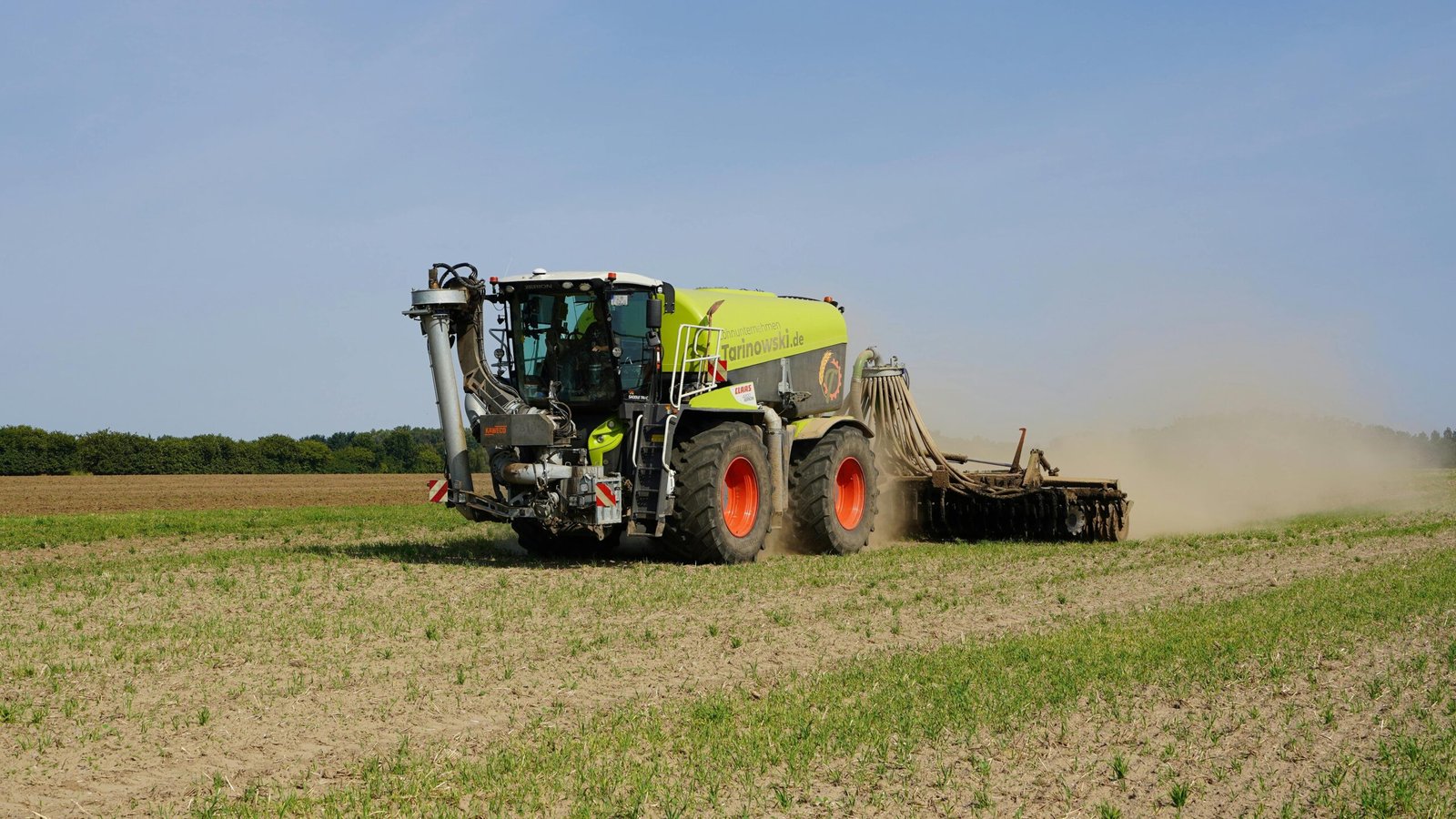
The world of agriculture has seen a remarkable transformation over the past few decades, with technological advancements revolutionizing traditional farming practices. One of the most significant areas of innovation has been in harvesting, where new technologies are helping farmers increase efficiency, reduce labor costs, and improve precision. These innovations, including automated harvesters, drones, and AI-based solutions, are changing the way crops are harvested, providing farmers with tools that enable them to make better decisions, improve yields, and maintain sustainability. In this article, we’ll explore some of the most impactful technological advancements in modern harvesting techniques.
1. Automated Harvesters
Automated harvesters represent one of the most significant innovations in modern agriculture. These machines are designed to perform the labor-intensive task of harvesting crops, reducing the need for manual labor and enabling farmers to harvest crops more efficiently and at scale. The automation of harvesting has been particularly useful for high-demand, labor-intensive crops such as fruits, vegetables, and grains.
A. Types of Automated Harvesters
There are various types of automated harvesters designed for specific crops, ranging from row crops to fruits and vegetables:
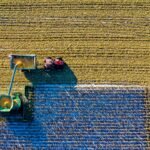
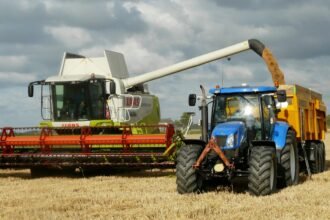
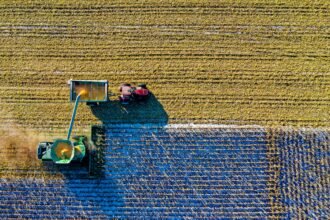
- Combine Harvesters: These are large machines used primarily for cereal crops like wheat, corn, rice, and barley. They perform multiple tasks, including cutting, threshing, and separating the grain from the stalks. Modern combine harvesters are equipped with advanced sensors that allow farmers to monitor crop yields, moisture levels, and other important metrics in real-time.
- Fruit Harvesters: For delicate crops like fruits, automated harvesters are designed to gently pick or shake fruits from trees or bushes. Robotic arms equipped with soft-grip technology ensure that fruits like apples, peaches, or tomatoes are harvested without causing damage. Some robotic harvesters use advanced vision systems to detect ripeness, ensuring that only fully mature fruits are picked.
- Vegetable Harvesters: These machines are designed to efficiently harvest crops like lettuce, carrots, and potatoes. Automated vegetable harvesters can cut, dig, or pick crops from the soil with minimal damage, helping farmers reduce food waste while maintaining product quality.
B. Benefits of Automated Harvesters
- Efficiency: Automated harvesters can operate continuously, often faster than human laborers, allowing farmers to harvest crops in a fraction of the time it would take manually.
- Precision: These machines can be equipped with sensors and cameras that enable them to select ripe fruits or crops with precision, reducing the likelihood of harvesting immature or overripe produce.
- Labor Savings: Automated harvesters help reduce the reliance on human labor, which can be both expensive and difficult to find in certain regions. This is especially important during peak harvest seasons, when labor shortages are common.
- Reduced Crop Damage: Harvesting delicate crops, like berries or apples, often involves the risk of bruising or damaging the produce. Automated harvesters use precision technology to minimize damage to crops, improving overall product quality and reducing waste.
2. Drones in Harvesting
Drones are increasingly being used in agriculture, not just for monitoring crops but also for assisting with the harvesting process. Equipped with advanced sensors, cameras, and GPS, drones are capable of flying over fields to collect valuable data that can inform harvesting decisions.
A. Applications of Drones in Harvesting
- Crop Monitoring: Drones are used extensively for aerial surveys of fields, providing farmers with real-time data on crop health, growth patterns, and maturity. By monitoring the crops from the air, drones can identify areas of the field where crops are ripening unevenly or where pests or diseases are present, allowing farmers to make more informed decisions about when to harvest.
- Precision Spraying: Drones equipped with sprayers can apply pesticides or fertilizers to specific areas of the field, reducing waste and ensuring that crops receive targeted treatment. This can indirectly affect the harvest by ensuring crops grow optimally and are ready to be harvested at the correct time.
- Harvest Support: In some cases, drones can be used to assist in the physical act of harvesting by using aerial imagery to guide harvesting equipment, such as automated fruit pickers or combine harvesters, to areas with the most mature or optimal crops.
- Data Collection for AI Integration: Drones collect vast amounts of data, such as field conditions, weather patterns, and crop health. This data can be integrated into AI and machine learning systems to further optimize harvesting schedules and techniques.
B. Benefits of Drones
- Real-Time Insights: Drones provide real-time insights that help farmers track crop maturity and plan the harvest for maximum yield and quality.
- Cost-Effectiveness: Drones reduce the need for traditional scouting methods and manual labor. This can reduce costs, particularly in large fields or areas that are difficult to access.
- Enhanced Precision: Drones can be equipped with high-definition cameras and sensors that can detect subtle differences in plant health, such as signs of disease or pests, which may not be visible to the naked eye.
- Increased Accessibility: Drones make it easier to monitor large and difficult-to-reach fields, such as those with uneven terrain or crops grown on slopes.
3. Artificial Intelligence and Machine Learning
Artificial intelligence (AI) and machine learning (ML) have brought transformative change to the agricultural sector, especially in harvesting. By using advanced algorithms and data analytics, AI systems can optimize nearly every aspect of the harvesting process, from crop monitoring to decision-making.
A. AI-Based Harvesting Solutions
- Crop Maturity Prediction: AI systems can analyze data from drones, sensors, and satellites to predict the exact moment when crops will be at their peak for harvesting. This allows farmers to plan the harvest more effectively, reducing the risk of overripe or underdeveloped crops being harvested.
- Robotic Harvesting: AI-powered robots are now capable of harvesting certain crops autonomously. For example, robots have been developed to pick strawberries and tomatoes, using advanced computer vision and machine learning algorithms to identify and pick ripe fruits without damaging them. These robots can work around the clock, picking crops more efficiently than human laborers.
- Optimized Harvesting Routes: AI is also used to optimize harvesting machinery, including automated harvesters and tractors, by providing them with real-time routing information. This can help minimize fuel consumption, reduce soil compaction, and ensure that the harvesting equipment works at optimal efficiency.
B. Benefits of AI in Harvesting
- Data-Driven Decisions: AI helps farmers make data-driven decisions, ensuring that they harvest crops at the optimal time for yield and quality. With predictive analytics, farmers can plan their harvest more effectively, maximizing productivity.
- Improved Labor Efficiency: With AI and machine learning integrated into harvesting systems, farmers can reduce labor costs and the risk of human error. Robotic systems, powered by AI, can work long hours without fatigue, significantly increasing operational efficiency.
- Reduced Food Waste: AI-powered solutions can help minimize food waste by predicting harvest times more accurately and ensuring that crops are picked at the ideal stage of ripeness.
- Sustainability: By optimizing the use of resources such as water, fertilizer, and labor, AI can help make farming more sustainable. This is especially important as agriculture faces growing pressure to meet the demands of a global population while minimizing environmental impacts.
4. The Future of Harvesting Technologies
The future of harvesting technologies looks incredibly promising, with ongoing advancements in robotics, AI, and drone technology. Some of the emerging trends and innovations include:
- Autonomous Farms: The concept of fully autonomous farms, where machines handle all aspects of planting, growing, and harvesting crops, is becoming a reality. These farms will rely on AI-powered robots, drones, and automated harvesters to perform tasks traditionally done by humans.
- Advanced Computer Vision: Future automated harvesters and robots will have even more sophisticated computer vision systems, enabling them to distinguish between different crop types, assess ripeness levels, and harvest multiple crops in diverse environments.
- Precision Harvesting: With the integration of Internet of Things (IoT) sensors, drones, and AI, precision harvesting systems will become even more refined. This will allow farmers to harvest crops with unprecedented accuracy, reducing waste and increasing profitability.
Conclusion
Technological innovations in harvesting techniques are reshaping the agricultural landscape, offering farmers more efficient, precise, and cost-effective ways to harvest crops. From automated harvesters to drones and AI-based solutions, these innovations are improving the speed, quality, and sustainability of harvesting practices. As technology continues to advance, the future of harvesting looks increasingly automated, data-driven, and sustainable, ensuring that farmers can meet the growing demands of global food production while maintaining environmental responsibility. The integration of these technologies will not only transform how we harvest crops but also how we think about the future of agriculture.