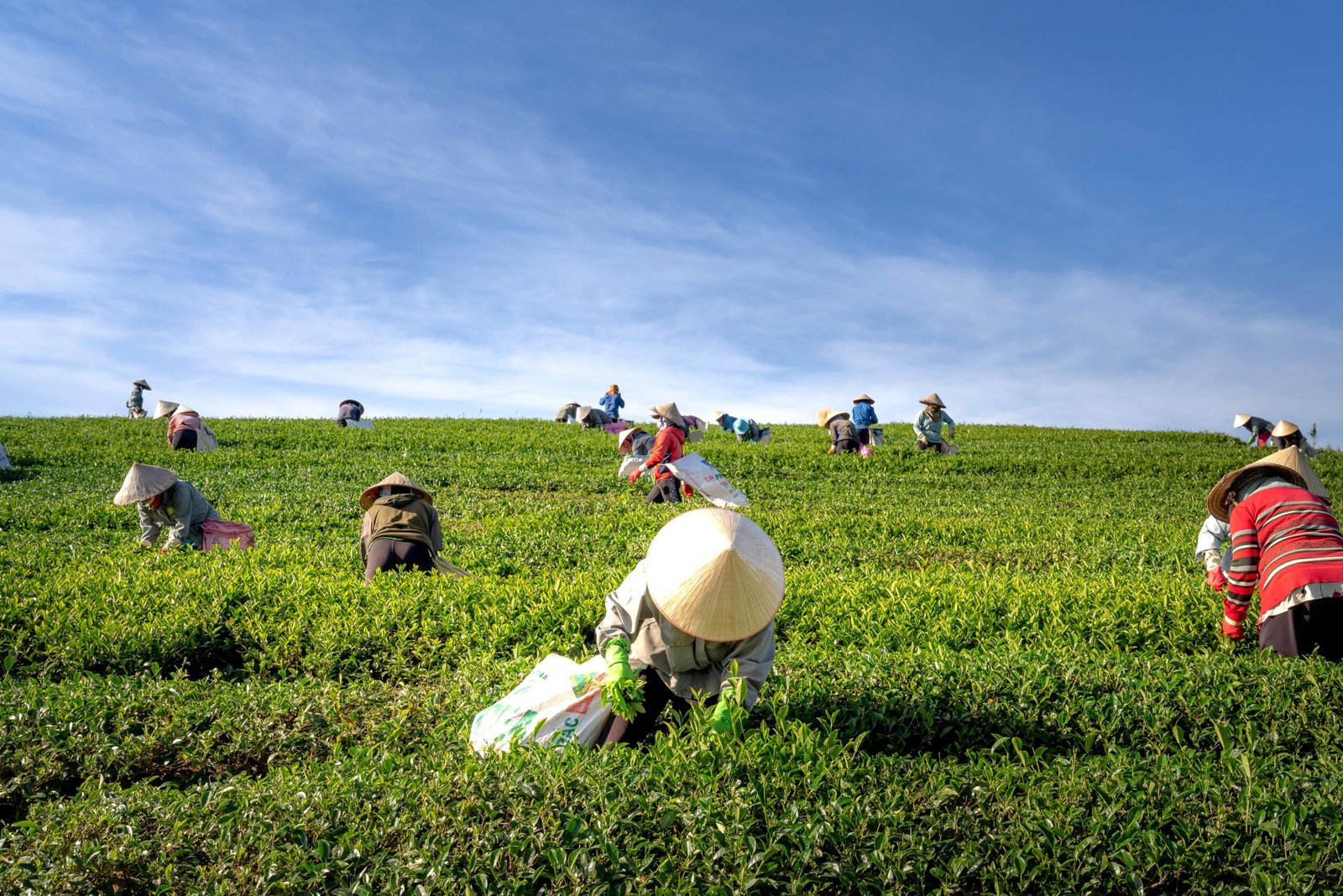
Post-harvest losses refer to the decline in quantity and quality of agricultural produce after the crops have been harvested but before they reach the consumer. These losses occur throughout the supply chain, from the field to the market, affecting everything from grains and fruits to vegetables and livestock. While advancements in farming practices and crop cultivation have significantly improved yields, post-harvest losses remain a major challenge, especially in developing countries. According to the Food and Agriculture Organization (FAO), approximately 1/3 of all food produced globally is wasted, and much of this occurs after harvesting.
Post-harvest losses are a critical issue that leads to food insecurity, economic losses, environmental harm, and increased poverty in farming communities. Understanding the causes, consequences, and solutions to post-harvest losses is essential to improving food systems and ensuring sustainability in global agriculture.
1. Causes of Post-Harvest Losses
Post-harvest losses stem from a wide range of factors, including inadequate infrastructure, poor handling practices, and environmental conditions. The losses differ depending on the crop type, geographical location, and stage of the supply chain. Below, we discuss the primary causes of post-harvest losses:
A. Improper Handling and Storage
One of the most significant causes of post-harvest losses is improper handling and storage practices. This occurs when produce is not stored at the appropriate temperature, humidity, or in the proper conditions. Inadequate storage facilities, such as poorly ventilated or unhygienic storage spaces, can lead to spoilage and contamination, particularly for perishable products like fruits and vegetables. For instance, potatoes and onions may rot when stored in poorly ventilated areas, while fruits like bananas or tomatoes can suffer from bruising or mold due to rough handling.
- Physical damage: Rough handling during harvest, transportation, or storage can cause bruises, cuts, and other physical injuries that accelerate spoilage.
- Temperature and humidity control: Many crops, especially fruits and vegetables, require specific temperature and humidity conditions to maintain their quality after harvest. If not managed properly, produce can wilt, rot, or dehydrate.
B. Pest and Disease Infestation
Pests, such as insects, rodents, and microorganisms, are major contributors to post-harvest losses. Insects can damage crops during harvest or in storage, while rodents often destroy stored grains. Fungi, molds, and bacteria can also infect stored crops, causing them to spoil or become unsafe for consumption. For example, aflatoxin-producing molds in stored maize can lead to contamination, making the grain unfit for consumption.
- Insect pests: Storage pests like weevils and beetles are notorious for infesting stored grains, leading to weight loss, contamination, and reduced quality.
- Fungal and bacterial diseases: Post-harvest diseases like botrytis and fusarium can affect a wide range of crops, leading to rapid degradation of produce in storage.
C. Poor Transportation and Distribution Systems
Inefficient transportation infrastructure is another key cause of post-harvest losses, especially in developing countries where roads and logistics systems may be underdeveloped. Poor transportation can cause delays in getting crops to the market, leading to spoilage, bruising, or even total loss of the product. Additionally, poor-quality packaging can make crops more vulnerable to physical damage or contamination during transport.
- Inadequate transportation infrastructure: Poor road conditions, lack of refrigerated trucks, and insufficient storage facilities during transportation can cause crops to spoil before reaching their destination.
- Lack of packaging: Many fruits and vegetables are sensitive to bruising and damage, and without adequate packaging or protective measures, crops are easily damaged during transport.
D. Climate and Weather Conditions
Weather plays a crucial role in post-harvest losses, as certain climatic conditions can cause crops to deteriorate before or during storage. High temperatures, humidity, and rainfall can accelerate decay, mold growth, and insect infestations. For example, excessive heat can cause fruits like tomatoes to ripen too quickly and spoil, while high humidity can lead to mold and fungal diseases.
- Excessive rainfall: In regions prone to heavy rainfall, crops like rice and maize may get waterlogged or contaminated with mold, leading to significant losses.
- Heat stress: Hot and dry conditions, if prolonged, can cause dehydration and premature ripening, particularly in fruits and vegetables.
E. Market-Related Factors
Post-harvest losses are also linked to market demand and the timing of the harvest. In many cases, farmers harvest their crops too early or too late, leading to a mismatch between supply and demand. Overproduction, lack of market access, or price fluctuations can result in unsold goods, causing them to spoil or go to waste.
- Market access: In remote rural areas, farmers often lack access to markets where they can sell their produce. This results in surplus crops that spoil due to a lack of demand.
- Price volatility: Fluctuating prices can cause farmers to delay or rush their harvests, sometimes leading to suboptimal harvesting and greater post-harvest losses.
2. Consequences of Post-Harvest Losses
Post-harvest losses have far-reaching consequences, not only for the economy but also for food security, environmental sustainability, and social equity.
A. Food Insecurity
Food insecurity is one of the most serious consequences of post-harvest losses. When crops are lost after harvest, the total food supply is reduced, making it harder for communities, especially those in developing countries, to access nutritious food. This can lead to hunger, malnutrition, and reduced availability of critical nutrients for vulnerable populations.
- Increased poverty: As farmers lose crops to post-harvest losses, their income is reduced, pushing many small-scale farmers further into poverty.
- Decreased nutrition: Losses in perishable crops like fruits and vegetables lead to a reduced availability of key micronutrients like vitamins and minerals, which are essential for human health.
B. Economic Losses
The financial implications of post-harvest losses are staggering. In many developing countries, a significant portion of the national GDP comes from agriculture, and when crops are lost after harvest, it leads to a decrease in agricultural productivity and income. According to the FAO, post-harvest losses amount to billions of dollars annually, both in terms of the value of crops and the loss of income for farmers and agribusinesses.
- Reduction in farmer income: Farmers, especially smallholders, often face significant economic losses when crops spoil before they can be sold or consumed.
- Increased costs: The costs of managing losses—such as implementing pest control measures, repairing damaged infrastructure, or using additional energy for refrigeration—add to the economic burden.
C. Environmental Impact
Post-harvest losses also have environmental consequences. Wasted crops contribute to greenhouse gas emissions, particularly when they decompose in landfills. Moreover, the energy and resources used to grow, transport, and store crops that are ultimately lost are wasted, increasing the environmental footprint of food production.
- Wasted resources: The water, energy, and land used to grow lost crops could have been used more efficiently, leading to unnecessary environmental degradation.
- Greenhouse gas emissions: Organic matter that decomposes in landfills or in the field can produce methane, a potent greenhouse gas that contributes to climate change.
3. Solutions to Minimize Post-Harvest Losses
Addressing post-harvest losses requires a multi-faceted approach that targets each stage of the agricultural value chain. Below are several solutions that can help reduce these losses:
A. Improved Storage and Handling Techniques
Developing better storage solutions can significantly reduce post-harvest losses. This includes the use of cold storage systems for perishable crops, hermetic storage bags to prevent pest infestation, and improved grain silos to preserve cereal crops. Additionally, educating farmers on proper handling techniques to minimize physical damage can also reduce losses.
- Cold storage: Refrigerated storage helps maintain optimal conditions for perishable produce and extends shelf life. This is especially important for fruits and vegetables.
- Hermetic storage: Using airtight storage bags prevents pests and molds from infesting grains, particularly in tropical climates where pests are prevalent.
B. Pest and Disease Control
Investing in pest and disease management is crucial to preventing losses. Integrated pest management (IPM) strategies, including biological control and environmentally friendly pesticides, can help control infestations. For grains, using proper drying techniques to reduce moisture content also helps prevent fungal growth.
- Biological control: Introducing natural predators of pests, such as beneficial insects, can help manage pest populations without resorting to harmful chemicals.
- Preventive treatments: Using safe, effective fungicides and pesticides can protect crops in storage from fungal infections and insect damage.
C. Better Transportation and Infrastructure
Improving transportation networks, especially in rural areas, can reduce spoilage and waste. Better roads, refrigeration, and packaging systems can help ensure that crops reach their destination in good condition. Additionally, investing in efficient market distribution systems can help farmers sell their produce quickly, reducing the risk of unsold goods going to waste.
- Cold chains: Creating refrigerated transport systems (cold chains) for perishables ensures that crops remain fresh and are not exposed to damaging heat or humidity during transit.
- Efficient packaging: Using durable and appropriate packaging materials, such as plastic crates or padded containers, reduces bruising and damage during transport.
D. Technology and Innovation
Technology plays a pivotal role in reducing post-harvest losses. Advancements in monitoring, storage, and logistics can significantly improve post-harvest management. Tools like sensors for moisture levels, temperature monitoring systems, and AI-powered predictive analytics can provide farmers with critical insights that help them optimize harvesting, handling, and storage.
- Smart monitoring systems: Sensors and IoT devices can monitor environmental conditions in real-time, alerting farmers to issues like temperature spikes or moisture levels that could lead to spoilage.
- AI and machine learning: AI can help optimize the harvest window and predict demand, enabling farmers to sell their crops at the right time and reduce surplus.
Conclusion
Post-harvest losses are a pressing issue that affects food security, the economy, and the environment. Addressing the causes of these losses requires a multi-pronged approach, including better storage, pest management, transportation, and the use of innovative technologies. By implementing these solutions, we can significantly reduce waste, increase food availability, and help farmers improve their incomes while ensuring sustainability in the agricultural sector.