
As the global population grows and the impacts of climate change become more evident, sustainable agricultural practices have become more critical than ever. Sustainability in farming and food production is not only about increasing crop yields but also about reducing the environmental impact of agriculture. The methods used during both the harvesting and post-harvest phases play an important role in determining the ecological footprint of food production. Sustainable harvesting and post-harvest practices can help reduce chemical use, minimize waste, and preserve natural resources, all while maintaining high-quality crops for consumers. In this article, we will investigate sustainable practices in harvesting and post-harvest handling, exploring methods to reduce environmental impacts such as waste, water usage, and chemical inputs.
1. Sustainable Harvesting Methods
Sustainable harvesting methods aim to minimize damage to the environment, reduce resource consumption, and ensure that agricultural practices remain viable in the long term. These methods seek to balance economic, environmental, and social concerns.
A. Precision Harvesting
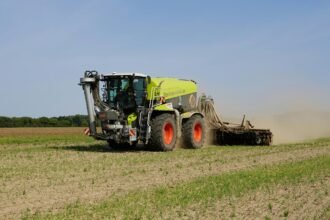
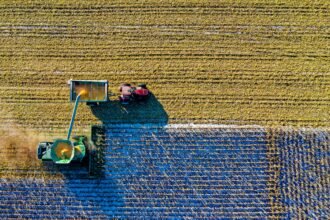
Precision harvesting involves using technology to ensure that crops are harvested at the optimal time and with minimal environmental impact. This method often utilizes tools such as sensors, GPS, and automated machinery to guide the harvesting process. By ensuring that crops are harvested when they are at their peak, precision harvesting can reduce the amount of waste generated by prematurely harvested or overripe crops.
- Reduced Waste: Precision harvesting ensures that crops are harvested at the perfect maturity stage, reducing the chances of waste from crops left in the field too long or picked too early.
- Minimal Soil Disturbance: Precision equipment can reduce the number of passes through a field, minimizing soil compaction and preserving soil health.
- Energy Efficiency: Many modern harvesting machines are designed to be energy-efficient, reducing the overall carbon footprint of the harvesting process.
B. Manual and Low-Impact Harvesting
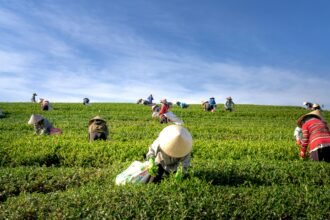
For certain crops, especially fruits and vegetables, manual harvesting or low-impact harvesting methods can be considered sustainable alternatives to mechanized harvesting. Manual harvesting reduces the risk of soil erosion, minimizes crop damage, and can be more energy-efficient, particularly when the crops are delicate.
- Reduced Carbon Emissions: By relying less on heavy machinery and more on human labor, the carbon emissions associated with harvesting can be reduced.
- Protection of Sensitive Ecosystems: Manual harvesting allows workers to select crops carefully, reducing the impact on the surrounding environment, especially in sensitive or small-scale farming operations.
C. Agroecological Practices
Agroecology emphasizes the use of ecological principles in farming, integrating methods such as crop rotation, agroforestry, and intercropping to enhance biodiversity and ecosystem health. These practices contribute to more sustainable harvesting by ensuring that the ecosystem remains resilient and that the soil continues to provide the nutrients crops need for healthy growth.
- Biodiversity Preservation: Agroecological practices help maintain and enhance biodiversity, making the farm ecosystem more resilient to pests, diseases, and climate variability.
- Soil Health: Practices like crop rotation and intercropping maintain or improve soil fertility, reducing the need for synthetic fertilizers or soil-depleting monocultures.
D. Organic and Low-Chemical Harvesting
Organic farming practices are inherently sustainable as they avoid the use of synthetic chemicals like pesticides and fertilizers. Organic harvesting methods focus on using natural alternatives to control pests and diseases, reducing the environmental impact of chemical usage in agriculture.
- Lower Chemical Inputs: By avoiding the use of synthetic chemicals, organic harvesting practices reduce pollution and improve soil and water health.
- Soil Conservation: Organic farming systems often incorporate practices such as composting, cover cropping, and minimal tillage to enhance soil health and reduce erosion.
2. Sustainable Post-Harvest Practices
Once crops are harvested, the post-harvest process plays a pivotal role in ensuring that produce remains fresh, nutritious, and marketable while minimizing waste and environmental impacts. Sustainable post-harvest practices can include reducing food waste, improving storage efficiency, and using environmentally friendly packaging.
A. Reducing Post-Harvest Waste
Post-harvest waste is one of the major sources of inefficiency and environmental harm in the food supply chain. Wasted food means wasted resources such as water, energy, labor, and land. Reducing post-harvest waste involves various strategies that help preserve crops and reduce losses.
- Improved Storage: Sustainable storage solutions like cold storage, controlled atmosphere storage, and modified atmosphere packaging (MAP) help maintain produce quality and extend shelf life, reducing waste due to spoilage.
- Shelf Life Extension: Techniques such as using natural preservatives, edible coatings, and modified storage conditions (e.g., humidity and temperature control) extend the freshness of produce and prevent food waste.
- Food Recovery: Food recovery programs help redistribute surplus crops to communities in need, reducing waste while promoting social sustainability.
B. Waste-to-Value Technologies
Innovative waste-to-value technologies offer sustainable ways to repurpose agricultural by-products and food waste. These practices not only reduce environmental impacts but also create economic opportunities by turning waste into valuable products.
- Composting: Organic waste from post-harvest processes can be composted to create nutrient-rich soil amendments. This reduces the need for synthetic fertilizers and improves soil health.
- Biogas Production: Anaerobic digestion of organic waste can produce biogas, which can be used for energy, thus reducing dependence on fossil fuels.
- Animal Feed: By-products such as crop residues, peels, and damaged fruits can be repurposed as feed for livestock, reducing food waste while providing a sustainable source of nutrition for animals.
C. Water Efficiency and Irrigation Management
Water use in post-harvest handling, especially during washing, storage, and processing, is another key area where sustainability can be enhanced. Implementing water-efficient practices helps reduce the environmental footprint of the food supply chain.
- Water Recycling: Some post-harvest facilities implement water recycling systems, allowing water used for washing or cooling produce to be filtered and reused, thus reducing water consumption and minimizing waste.
- Low-Water Irrigation: Efficient irrigation systems, such as drip irrigation or smart irrigation controllers, help reduce water use during the pre-harvest phase, ensuring that crops have the necessary hydration for optimal post-harvest handling.
D. Sustainable Packaging
Packaging plays a significant role in post-harvest handling, as it affects the freshness and safety of the produce as well as the overall environmental impact of the food supply chain. Sustainable packaging minimizes waste, reduces resource consumption, and avoids chemical leaching into the environment.
- Biodegradable and Compostable Packaging: Using biodegradable or compostable materials for packaging, such as plant-based plastics or paper-based containers, reduces reliance on plastic packaging, which is often a major contributor to environmental pollution.
- Edible Coatings: Natural, edible coatings made from materials like chitosan (derived from crustaceans) or plant-based polysaccharides can extend shelf life while being safe for consumption and reducing packaging waste.
- Minimal Packaging: Reducing the amount of packaging used during the post-harvest process is another way to cut down on environmental impact. For example, bulk packaging or reusable crates can reduce the overall need for single-use plastics and other packaging materials.
3. Reducing Chemical Use
Reducing the use of chemicals in both harvesting and post-harvest practices is essential for sustainability, as excessive chemical use can harm the environment, reduce biodiversity, and pose health risks to consumers. Sustainable practices aim to minimize the use of harmful chemicals while maintaining crop protection and quality.
A. Integrated Pest Management (IPM)
IPM combines biological, physical, and chemical control methods to manage pests and diseases sustainably. It involves using the least harmful options first and only applying chemical treatments as a last resort.
- Biological Controls: Beneficial insects or microbes can be introduced to control pest populations without the use of chemicals.
- Cultural Practices: Crop rotation, soil management, and the use of resistant crop varieties can help reduce pest pressure and reliance on chemical pesticides.
B. Organic Certification and Reduced Pesticide Use
Organic certification standards prohibit the use of synthetic pesticides and fertilizers, promoting sustainable harvesting and post-harvest practices that protect ecosystems. Farmers who adopt organic practices use natural alternatives, such as neem oil, biopesticides, and beneficial insects, to control pests.
- Natural Alternatives: By focusing on non-chemical pest control methods, organic farming reduces the environmental damage caused by synthetic chemicals and promotes healthier ecosystems.
- Soil Health: Organic practices often focus on improving soil health, reducing the need for synthetic fertilizers and chemicals that can harm water quality and soil biodiversity.
4. Energy Efficiency
Energy consumption during harvesting and post-harvest activities such as storage, cooling, and processing can contribute significantly to the carbon footprint of agricultural operations. Adopting energy-efficient technologies and practices can help reduce this impact.
- Renewable Energy: Solar-powered refrigeration and wind energy can be used for post-harvest cooling and storage systems, reducing reliance on fossil fuels.
- Efficient Equipment: Modern, energy-efficient harvesting machines and storage equipment can help minimize fuel consumption and reduce greenhouse gas emissions.
Conclusion
Sustainability in harvesting and post-harvest practices is a critical component of reducing the environmental impact of food production. By adopting sustainable harvesting methods, reducing food waste, improving water and energy efficiency, using eco-friendly packaging, and minimizing chemical use, the agricultural sector can significantly reduce its ecological footprint. As consumers, businesses, and farmers become more conscious of their environmental responsibilities, sustainable agricultural practices will continue to evolve, contributing to a more sustainable, resilient, and equitable food system.